
Playlist · 5 videos
Systems thinking
Talks and lessons for understanding relationships, consequences, and patterns that remain hidden when we look at parts in isolation.
Open playlist
Thematic hub · 37 connected resources
Services do not work as isolated parts. Explore ideas that reveal how people, rules, resources, and decisions influence one another.
The central idea
A systems perspective helps you investigate relationships and patterns over time. It expands the questions of where to intervene, who is affected, and what effects may follow.
Level 02 · Practice
Choose a method based on the question you need to answer and what you still need to learn.
One-to-one interviews with business customers, suppliers, experts, or the client’s stakeholders.
View method →02Spend several hours or a day alongside someone in their natural setting, observing what they do.
View method →03The researcher or client takes on the user’s role: acting as a mystery shopper, working as a new employee, or simulating a user’s circumstances when they cannot experience them directly.
View method →04Participants—often members of the client team—experience other services for several hours or a day, alone or in groups, without the design team accompanying them.
View method →05Form alliances with organizations and people who can increase the capacity to make the solution work.
View method →06Identify what is needed to operate the solution and which gaps still need to be addressed.
View method →07Explore ways to expand impact by considering existing and potential offers, audiences, and capabilities.
View method →Watch
Playlist · 5 videos
Talks and lessons for understanding relationships, consequences, and patterns that remain hidden when we look at parts in isolation.
Open playlist
Playlist · 15 videos
Concepts and examples for seeing interdependencies, incentives, feedback loops, and unintended effects.
Open playlistBooks on systems and ecosystems
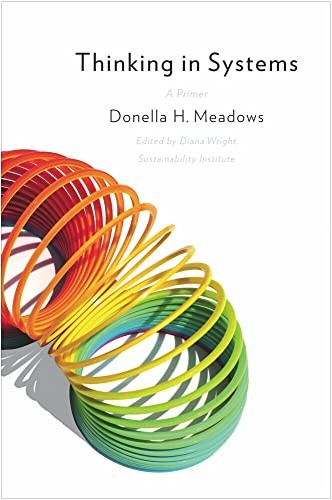
Advanced
An essential introduction to stocks, flows, feedback loops, delays, resilience, and leverage points. It helps explain why intuitive interventions often fail when behavior emerges from a system's structure.
View in the library →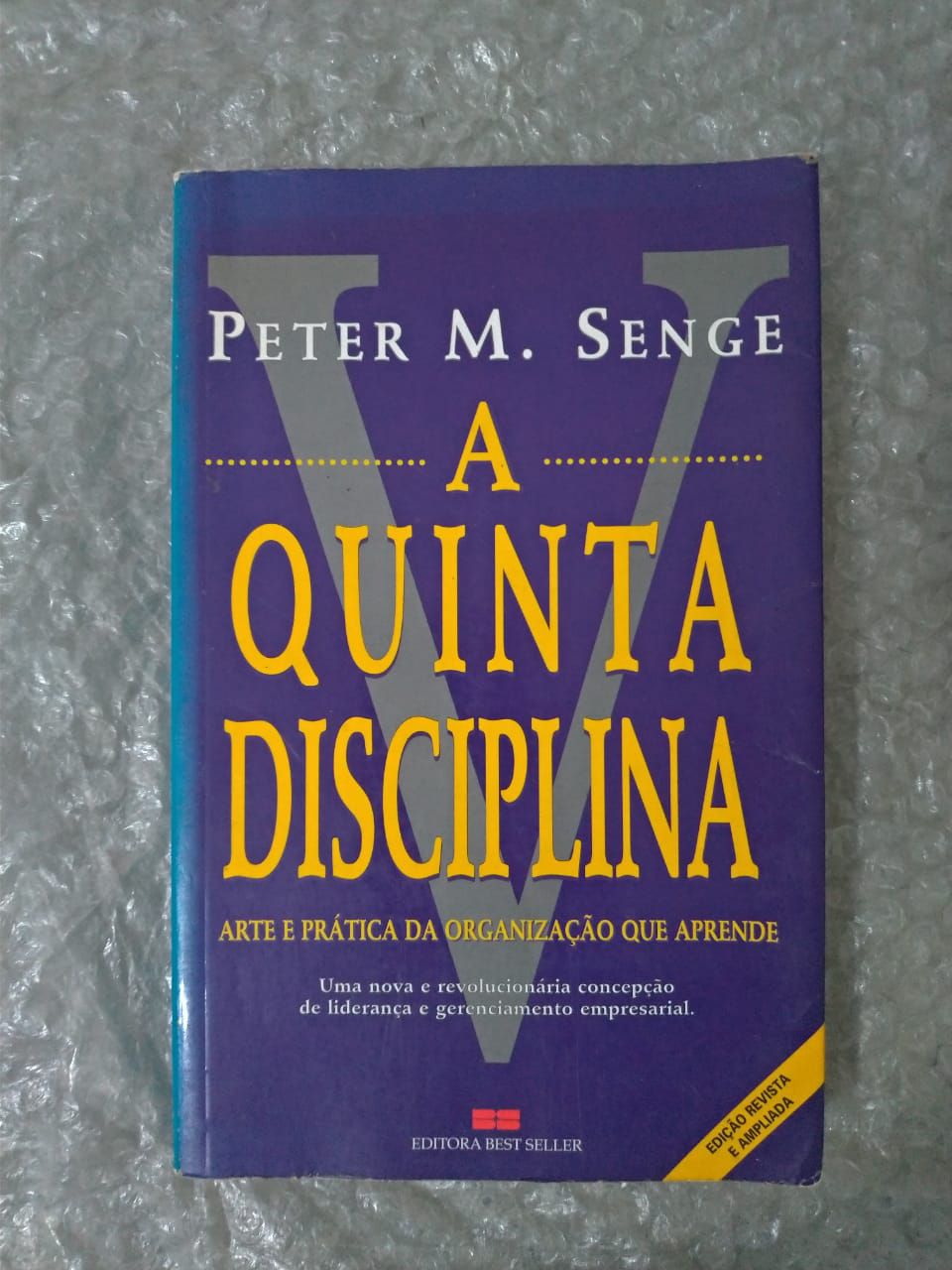
Expert
A foundational work on learning organizations and problems shaped by structures, delays, and feedback loops. It rewards patient reading and changes how readers interpret causes and effects in complex services.
View in the library →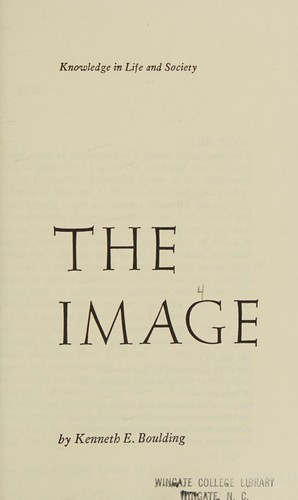
Expert
An inquiry into how the mental images we construct shape behavior, organizations, and society. This dense, interdisciplinary read explores perception, knowledge, and decision-making beyond linear models.
View in the library →Use this path to make relationships explicit, track effects, and revisit your explanations as new signals emerge.
Continue with Journeys25 related publications