 01
01Start here
Why the fight between qualitative and quantitative research is a waste of time
Deep down, it shows the person doesn’t understand both types before criticizing
Read article →
Thematic hub · 50 connected resources
Investigate experiences, practices, and operations to gather evidence that helps you decide what to do—and why.
The central idea
Choosing a method is not a substitute for defining what we do not yet know. This hub connects research questions with ways to observe and analyze services—and with the limits of the evidence they produce.
Level 01 · Essentials
Three readings to help you frame useful questions, assess evidence, and recognize the limits of service research.
01Start here
Deep down, it shows the person doesn’t understand both types before criticizing
Read article →Level 02 · Practice
Choose a method based on the question you need to answer and what you still need to learn.
A long, open-ended one-to-one conversation conducted in the participant’s own setting, such as their home or workplace.
View method →02An in-depth interview with two people who know each other well, such as partners or friends, using the same open-ended guide.
View method →03One-to-one interviews with business customers, suppliers, experts, or the client’s stakeholders.
View method →04Spend several hours or a day alongside someone in their natural setting, observing what they do.
View method →05The researcher or client takes on the user’s role: acting as a mystery shopper, working as a new employee, or simulating a user’s circumstances when they cannot experience them directly.
View method →06Participants—often members of the client team—experience other services for several hours or a day, alone or in groups, without the design team accompanying them.
View method →07A group session with users in a co-creation format, used as an alternative to a focus group.
View method →08A set of tasks participants complete during a session or on their own afterward, generating insights with minimal researcher influence.
View method →09A session in which community members, partners, and the team work together to design a possible solution.
View method →10Put an idea or prototype in front of the right people and turn their responses into the next learning steps.
View method →Watch
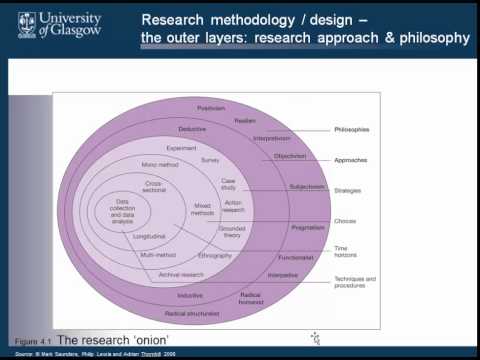
Playlist · 13 videos
Research principles and practices for framing better questions, gathering evidence, and making more considered decisions.
Open playlist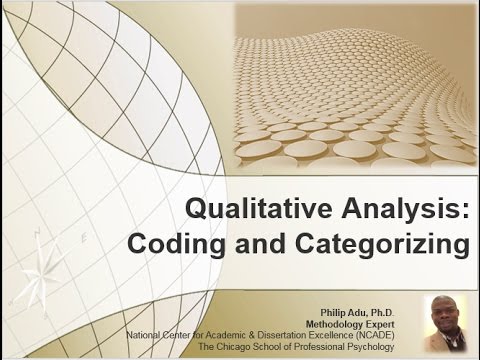
Playlist · 7 videos
Ways to code, categorize, and interpret qualitative material with rigor and traceability.
Open playlist
Playlist · 11 videos
Concepts and techniques for interpreting quantitative data without losing sight of the question or decision context.
Open playlistBooks to broaden your research toolkit

Intermediate
A wide-ranging collection of methods for research, ideation, prototyping, and implementation. It works better as a reference than as a linear read, helping readers who know the basic process broaden their toolkit.
View in the library →State what you still need to find out, choose a way to investigate, and use what you learn to revisit your service decisions.
Continue with Hypotheses35 related publications